A Practical Guide to Choosing Diamond Engagement Rings
Choosing a ring to mark an engagement is one of the more significant purchases many people make. The range of options can feel overwhelming at first. Understanding the basic factors that determine a diamond's appearance and value helps narrow the choices. This guide walks through what matters most when selecting diamond engagement rings, from the stone itself to the setting that holds it.
Start with the Diamond: The Four Cs
The quality and price of a diamond are traditionally judged by four characteristics: carat weight, cut quality, color grade, and clarity. Jewelers refer to these as the Four Cs. Each plays a different role in how the stone looks and how much it costs. Knowing how they interact helps you decide where to spend and where you can save.
Carat Weight
Carat weight is the most straightforward factor. A carat is a unit of weight, not size. Two diamonds of the same carat weight can look different depending on how they are cut. Larger diamonds are rarer and cost more per carat as the weight increases. That means a one-carat stone costs more than twice as much as two half-carat stones of similar quality. If you want a bigger look without the jump in price, consider a shape that appears larger for its weight, such as an oval or marquise cut.
Cut Quality
Cut quality is often the most important factor for brilliance. A well-cut diamond reflects light evenly, producing sparkle and fire. A poorly cut diamond looks dull even if its color and clarity are good. Cut grades range from excellent to poor. For the best visual effect, aim for excellent or very good cut quality. This is one area where spending a little more pays off in how the ring looks in everyday light.
Color Grade
Diamonds are graded on a scale from D (colorless) to Z (light yellow or brown). Colorless diamonds let more light pass through and appear brighter. But for many people, diamonds in the G to J range look nearly colorless when set in a ring, especially with white gold or platinum. These near-colorless grades offer good value. If you choose a yellow gold setting, a slightly warmer color can blend in nicely and may save you money.
Clarity
Clarity measures the presence of natural inclusions and blemishes. Most inclusions are invisible to the naked eye. Diamonds graded VS2 (very slightly included) or SI1 (slightly included) usually look clean without magnification. Going higher in clarity, such as VVS or IF, adds cost without a visible difference in normal wear. For most people, a diamond in the VS or SI range provides a beautiful stone at a sensible price.
Diamond Shape and Ring Setting
Beyond the Four Cs, the shape of the diamond and the style of the setting define the ring's personality. These choices are personal, but knowing the basics helps you communicate what you like.
Diamond Shape
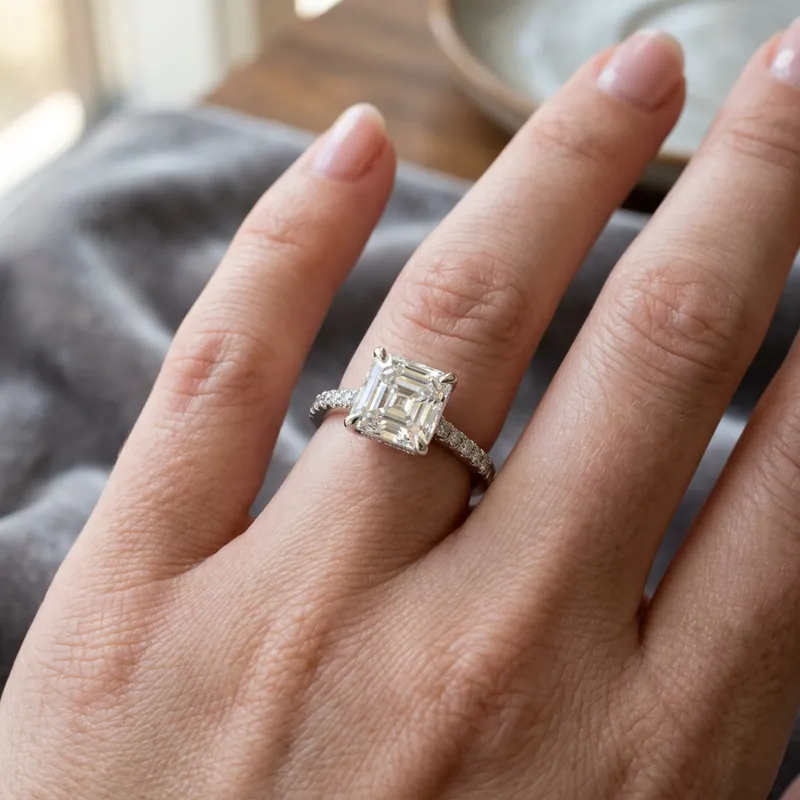
The shape is the diamond's geometric form. Round brilliant is the most popular shape and offers the most sparkle because of its precise faceting. Other shapes include princess (square), cushion (soft square or rectangle), oval, emerald (step-cut rectangle), pear, and marquise. Each shape has a different look and can affect how large the diamond appears. Try to see a few shapes in person or look at videos online to get a sense of what catches your eye.
Ring Setting
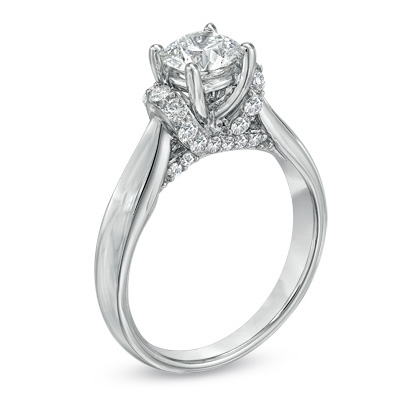
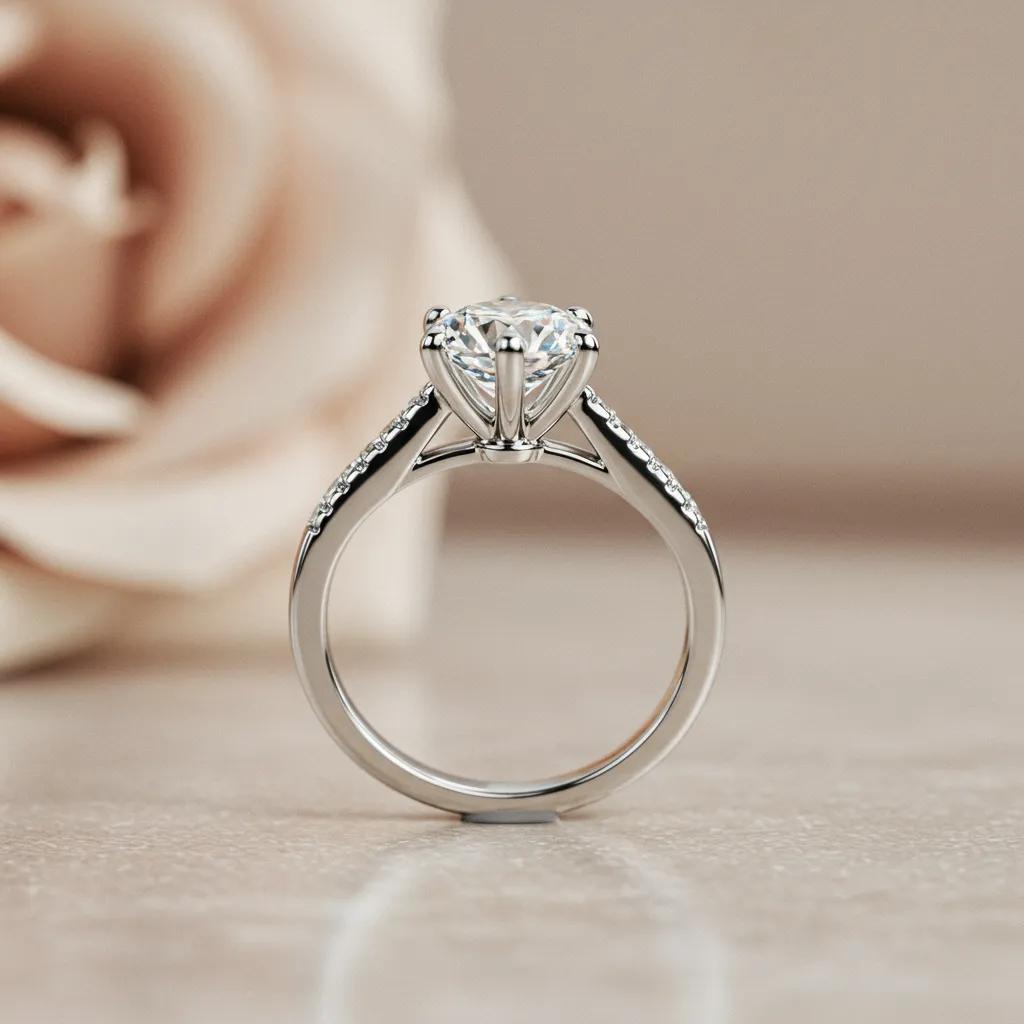
The setting is the metal framework that holds the diamond. It matters for both style and security. A solitaire setting has a single diamond and is clean and classic. A halo setting surrounds the center diamond with smaller diamonds, which can make the center stone look larger and add extra sparkle. A three-stone setting features a center diamond flanked by two smaller stones, often symbolizing the past, present, and future. The metal choice typically comes down to platinum, white gold, yellow gold, or rose gold. Platinum is durable and hypoallergenic but costs more. White gold is a similar look at a lower price. Yellow and rose gold are warmer tones that work well with certain diamond colors and personal style.
Certification: A Reliable Record
When you shop for diamond engagement rings, a certificate from an independent lab provides a clear record of the diamond's qualities. The most recognized labs are the Gemological Institute of America (GIA) and the American Gem Society (AGS). A certificate confirms the carat weight, cut, color, and clarity, and it also notes any treatments or enhancements. Buying a certified diamond gives you a reliable basis for comparing stones. If a diamond is not certified, it is harder to know if you are paying a fair price.
Finding the Right Ring Size
Getting the ring size right is essential for comfort and security. A ring that is too loose can slip off, while one that is too tight can be uncomfortable. Jewelers measure ring size with a set of metal rings or a measuring tape. It is best to have the person who will wear the ring measured by a jeweler. If you need to keep it a surprise, you can borrow a ring they already wear and have it sized. Keep in mind that finger size can change with temperature and time of day, so measure at a few different times for accuracy.
Balancing Budget and Priorities
Most people have a budget in mind, and that is a good place to start. The key is to decide which of the Four Cs matter most to you. If you want a larger stone, you might choose a slightly lower color grade or clarity. If sparkle is your priority, invest in cut quality first. If you prefer a certain shape or setting, factor that into your choices. It helps to look at a few options across your budget range to see how trade-offs affect the overall look. Online retailers and local jewelers offer different advantages, so compare a few sources before deciding.
One common piece of advice is to see diamonds in person when you can. Photos and videos do not always capture how light moves through a stone. Seeing a few options side by side gives you a clearer sense of what you value. If you are shopping online, read the return policy and check whether the seller offers a free return period. That way you can see the ring in your own lighting before committing.
Practical Takeaways
When you start looking for diamond engagement rings, keep a few things in mind. Focus on cut quality for the best sparkle. Choose a color grade that looks white in the metal you prefer. Pick a clarity grade that appears clean to your eye. Think about the shape and setting that suit the wearer's style. Make sure the diamond comes with a certificate from a reputable lab. And get the ring size right from the start.
The process should feel exciting, not stressful. Breaking it down into these steps makes it manageable. With a little knowledge and some time to compare, you can find a ring that fits both your taste and your budget.